Dentary: A Script Font for Creative Design
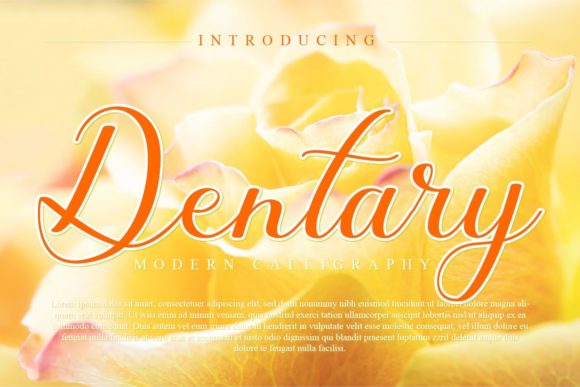
Dentary is a script font that brings a whimsical and expressive tone to editorial design. Its flowing, playful characters add a sense of movement and charm, making it ideal for projects that benefit from a personal, handcrafted feel. Whether used in headings, cover art, or graphic elements, Dentary enhances visual storytelling and reader engagement.
Designed with a focus on readability and aesthetic appeal, Dentary balances artistic flair with practical use. The font’s characters appear to dance along the baseline, creating a dynamic visual rhythm that draws attention without overwhelming the reader. This makes it particularly effective for titles, pull quotes, and section headers where clarity and style are both essential.
Using Dentary in Editorial Layouts
In blog headers, Dentary adds a distinctive touch that sets content apart. For magazine covers, it can serve as a focal point, drawing readers in with its personality. In ebook titles, it helps establish a brand identity that feels unique and memorable. Newsletter graphics benefit from Dentary’s expressive nature, offering a fresh alternative to more rigid typefaces.
For quote layouts, Dentary brings a handwritten quality that feels intimate and authentic. It works well in chapter openers, where its fluidity complements narrative flow. Printable guides and lead magnets gain a polished yet approachable look when paired with Dentary, making them more inviting to users.
Supporting Visual Hierarchy and Brand Identity
Dentary excels at supporting visual hierarchy by standing out as a display font while maintaining legibility in smaller sizes. Its character set includes alternates and ligatures that allow for customization, giving designers flexibility in how they apply the font across different formats. This adaptability makes it suitable for branding efforts, where consistency and recognition are key.
When used in combination with other fonts, Dentary creates a balanced design. Pairing it with a serif font for body text ensures readability, while a sans serif font can complement it in captions or navigation elements. This pairing strategy helps maintain a clean, professional look while still allowing Dentary to shine as a highlight.
Practical Applications for Content Creators
Bloggers can use Dentary to create eye-catching headlines that reflect their brand’s tone. Recipe ebooks benefit from its elegant curves, adding a touch of sophistication to food-related content. Wedding guides and coaching workbooks gain a personal, heartfelt feel when Dentary is used in headings and section titles.
Digital magazines and printable planners find value in Dentary’s ability to convey creativity without sacrificing usability. For creator newsletters, it offers a way to express individuality while keeping the overall design cohesive. Each application highlights how Dentary supports both form and function in editorial work.
Readability and Cross-Platform Use
While Dentary is primarily a display font, its design allows it to be used effectively in short bursts of text. On screens, it remains readable at larger sizes, making it suitable for web-based content such as social media graphics or website headers. In PDF exports, its curves and spacing ensure that it appears sharp and clear, even when printed.
On mobile layouts, Dentary maintains its visual appeal without becoming too ornate. For print materials, it adds a tactile quality that enhances the reading experience. These considerations make it a versatile choice for creators who need a font that works across multiple platforms.
Font Pairing and Design Assets
Designers should consider the full range of styles included with Dentary, including weights and multilingual support. These features expand its usability, allowing it to fit into a wider variety of projects. Alternates and ligatures provide additional options for customizing typography, ensuring that each use of Dentary feels intentional and refined.
When selecting a font pairing, the goal is to enhance the overall design without competing with Dentary. A clean, readable font for body text or captions can balance its expressive qualities, creating a harmonious layout. This approach ensures that Dentary remains a standout element without disrupting the flow of content.
Commercial Licensing and Usage
Creators using Dentary in commercial projects should verify the licensing terms. For ebooks, templates, printables, paid newsletters, client publications, and digital downloads, proper licensing ensures compliance and protects both the designer and the end user. This is especially important for those who incorporate Dentary into their own products or services.
By understanding the scope of use, content creators can confidently integrate Dentary into their work, knowing that it aligns with both creative and legal standards. This assurance allows for greater freedom in design decisions while maintaining professionalism and respect for the font’s origin.
Dentary’s blend of charm and functionality makes it a valuable addition to any designer’s toolkit. Its ability to elevate editorial work while remaining adaptable to different formats and purposes ensures that it remains relevant across a wide range of publishing needs. Whether used in a lifestyle blog, a recipe ebook, or a digital magazine, Dentary adds a unique voice to every project it touches.